

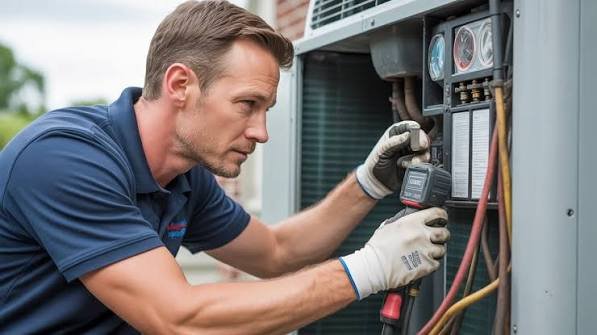
North Texas heat pushes air conditioners hard. When the thermostat is set low but rooms still feel stuffy, a quick and careful check can help you decide what to do next without risking expensive damage. This guide focuses on common symptoms, what they often mean inside the system, and safe steps you can take before scheduling a repair. You will learn how to spot airflow problems at the return, what icing on a refrigerant line may indicate, why a silent outdoor condenser matters, and how a clogged condensate drain can shut cooling down entirely. Responding to the right clues can help protect your compressor and make repairs more efficient.
Early Signs That Point to AC Trouble in Extreme Heat
Start with what you can hear and feel. Warm air from the supply vents while the blower runs, unusually long runtimes, or frequent short cycling often indicate restricted airflow or a frozen evaporator coil. A quiet outdoor condenser when the thermostat is calling for cooling can point to a tripped breaker, failed capacitor, or stuck contactor. Water around the indoor air handler or a full drain pan may suggest a clogged condensate line or a triggered float switch. For local context on AC repair in Allen and the types of repairs these symptoms may require, see legendairtx.
What Those Symptoms Often Reveal Inside the System
Warm air with weak airflow often traces back to a clogged air filter or blocked return grille, which restricts the amount of air moving across the evaporator coil. Low airflow can drop the coil temperature below freezing, creating frost that further reduces heat transfer. If you see ice on the suction line insulation or evaporator coil housing, continuing to run the system may increase the risk of liquid refrigerant returning to the compressor. A humming outdoor unit with a fan that does not spin may point to a weak or failed capacitor because the motor cannot start properly under load. Buzzing from the contactor without the compressor starting may indicate damaged contacts or an electrical supply problem.
Pooling water near the furnace or air handler is another important clue. The condensate drain can become clogged with algae, dust, and debris from the coil, causing the drain pan to overflow or a float switch to shut down the system as a safety measure. The shutdown may occur intermittently, allowing the system to cool for a while before stopping again as the water level rises. Short cycling can also have several causes, including a thermostat near a supply register, refrigerant pressure problems, or excessive static pressure from too many closed supply vents. Each of these conditions can affect how long the system runs and how effectively it removes heat and humidity from the home.
Safe Checks a Homeowner Can Perform Today
Confirm that the thermostat is set to Cool and that the selected temperature is at least 3 degrees below the current room temperature. If you suspect icing, turn cooling to Off and set the fan to On for 60 to 90 minutes to help thaw the evaporator coil. This can speed thawing, although indoor humidity may rise temporarily. Replace a dirty filter with the correct size and an appropriate MERV rating for your system. Make sure furniture and other objects aren’t blocking the return grille, and keep supply registers open unless the system is specifically designed for zoning.
Step outside and confirm that the condenser fan is operating when the system is calling for cooling. Remove leaves, grass clippings, and other debris, and maintain adequate open space around the outdoor coil for proper airflow. If the breaker has tripped, reset it only once after turning off cooling and letting the system sit for several minutes. Repeated breaker trips require professional attention. Do not push the contactor with a tool or attempt to add refrigerant yourself. At the indoor unit, look for water in the drain pan. If the condensate drain termination is accessible, a wet and dry vacuum may help remove a minor clog. A small amount of distilled vinegar may also help control algae in an accessible cleanout, but stop if youare unsure of the drain configuration.
Two Real World Summer Scenarios and the Right First Moves
Scenario 1: The house is above 80 degrees, the blower is running, but the air from the vents feels lukewarm. Outside, the condenser fan hums, starts, then stops. Turn off cooling at the thermostat and let the system rest while you check the air filter. Inspect the larger insulated refrigerant line for visible frost. If you see ice, leave cooling off and set the fan to On to allow the coil to thaw completely. Avoid running the air conditioner while the coil is frozen because doing so can place additional stress on the compressor. If the outdoor fan still does not operate after the system has thawed or the breaker trips again, leave the system off and schedule professional service.
Scenario 2: You notice water near the indoor unit and the system has shut down. Turn the system off at the thermostat to reduce the risk of water reaching electrical components. Check the condensate drain near the air handler for an accessible cleanout. If appropriate, use a wet/dry vacuum at the exterior drain termination to remove accumulated sludge. If the system has a float switch, lowering the water level may allow the equipment to operate again, but you still need to properly clear the drain. Do not ignore recurring water around the air handler because ceiling materials, framing, and attic insulation can absorb moisture quickly. A persistent drain blockage can also continue activating the float switch and interrupt cooling during periods of extreme heat.
Staying Cool After the Repair: Habits That Prevent Repeat Problems
High cooling loads and extreme attic temperatures in North Texas can make small maintenance problems more noticeable. Check filters regularly during peak summer conditions, especially after dusty home improvement projects. Keep shrubs, grass, and debris away from the outdoor condenser and gently rinse the coil when necessary after shutting off power. Avoid using high-pressure water, which can bend delicate coil fins. Keep the condensate drain clear per the manufacturer’s recommendations, and make sure the drain outlet remains unobstructed. If some rooms remain warmer than others, ask a technician to measure static pressure and inspect the ductwork for leaks, crushed flexible ducts, or disconnected sections instead of closing additional supply registers.
A stable thermostat strategy can also help reduce unnecessary strain on the system. Large daily temperature changes can require long recovery periods and may expose weak electrical components or airflow problems. Keeping the thermostat at a relatively consistent setting can help the system operate more steadily. Ceiling fans can improve perceived comfort while allowing a slightly higher thermostat setting. Keep heat-producing lamps, electronics, and appliances away from the thermostat sensor whenever possible. After a repair, watch for recurring signs such as frost on the suction line, unusual condenser noises, water in the drain pan, or frequent short cycling. Catching small changes early can help prevent larger and more expensive problems during the hottest part of the summer.