

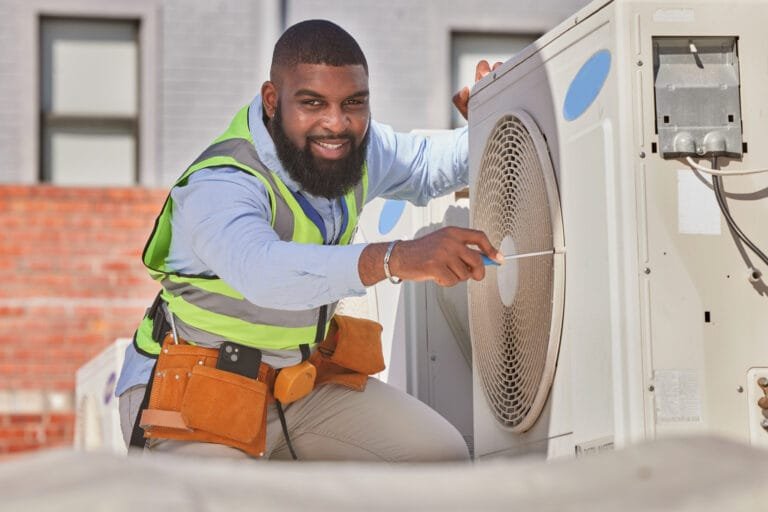
Maintaining a heating system goes far beyond simply keeping your home warm during cold months. Many homeowners underestimate the impact that small inefficiencies or minor neglect can have over time, leading to unexpected breakdowns, higher energy bills, and even premature system replacement. A well-maintained heating unit not only ensures consistent comfort but also prevents costly surprises and maximizes the return on your investment. We will explore how scheduling regular heating tune-ups can improve energy efficiency, prevent major repairs, extend the system’s lifespan, and maintain indoor air quality, providing both financial savings and peace of mind. Understanding these benefits helps homeowners take proactive steps that protect their home environment and reduce long-term expenses.
Improving Efficiency and Reducing Energy Costs
One of the most immediate and measurable benefits of regular heating tune-ups is increased energy efficiency. Neglected heating systems often operate below their intended capacity, consuming more electricity or fuel to maintain the same level of warmth. Dust and debris accumulation on components such as burners, heat exchangers, and air filters can obstruct airflow and reduce heating output. When the system has to work harder to reach desired temperatures, it draws more power, directly impacting monthly utility bills. During a tune-up, technicians clean, adjust, and inspect all crucial components to ensure they operate smoothly.
They may also calibrate thermostats and check safety controls, which help ensure optimal energy use. A Mesa HVAC contractor can perform these adjustments during regular tune-ups, ensuring that the system operates efficiently and safely. Over time, even small improvements in efficiency can lead to significant cost savings, particularly in regions with long heating seasons. Consistent maintenance ensures the system maintains a balance between performance and energy consumption, providing reliable warmth without unnecessary expense. Additionally, a more efficient system reduces wear on parts, indirectly supporting longevity and avoiding the energy waste associated with failing components.
Preventing Costly Repairs Through Early Detection
Heating systems contain numerous mechanical and electrical parts that experience natural wear over time. Issues such as loose connections, worn belts, cracked heat exchangers, or malfunctioning motors may not immediately disrupt performance but can develop into serious problems if left unattended. Regular tune-ups allow for the early identification of these minor issues before they escalate into major breakdowns. Addressing small problems promptly is almost always less expensive than dealing with full component failure or complete system replacement.
Emergency repairs, especially during peak winter months, can also be costly, as service providers may charge higher rates for urgent calls. Moreover, unexpected breakdowns can leave a household without heat during extreme temperatures, creating discomfort and potential safety risks. Scheduled maintenance reduces the likelihood of these scenarios by ensuring every part is inspected, cleaned, and adjusted. Technicians can identify areas where performance is declining, perform preventive repairs, and recommend timely replacements for parts nearing the end of their functional life. This proactive approach not only lowers repair costs but also provides homeowners with predictable maintenance schedules that prevent inconvenient interruptions.
Extending the Lifespan of Your Heating System
A heating system is a major household investment, and its lifespan depends heavily on how well it is maintained. Systems that receive routine tune-ups are more likely to operate within their designed parameters, reducing strain on critical components. Overworked or improperly functioning systems experience accelerated wear, leading to frequent breakdowns and a shorter overall lifespan. Regular maintenance includes cleaning and lubricating moving parts, checking electrical connections, inspecting burners, and ensuring heat exchangers are functioning efficiently.
Proper care prevents overheating, reduces mechanical stress, and preserves the integrity of essential parts such as blower motors, fans, and compressors. The longer a heating system operates effectively, the more homeowners gain in terms of financial return, as they can delay the significant cost of replacement. In addition, a well-maintained system maintains consistent performance, providing dependable heat year after year. Investing in preventive care ensures that your system continues to deliver warmth and reliability without incurring unexpected capital expenditures. Over time, the cumulative benefits of maintenance far outweigh the minor upfront costs of routine tune-ups, underscoring the value of proactive attention to household comfort systems.
Maintaining Indoor Air Quality and Comfort
Beyond energy savings and reduced repair costs, regular heating tune-ups also improve indoor air quality and overall comfort. Over time, dust, mold, and other debris can accumulate in ductwork and system components, circulating through the home whenever the system operates. Poor air quality can aggravate allergies, asthma, or other respiratory conditions, particularly in households with children or elderly residents. Routine tune-ups address these concerns by replacing or cleaning filters, inspecting ductwork, and ensuring the system distributes warm air evenly throughout the home.
Even minor issues, such as partial airflow blockages, can create cold spots or uneven heating, reducing comfort and causing certain areas of the home to place unnecessary strain on the system. By optimizing airflow, tune-ups ensure that warm air reaches all rooms effectively, providing consistent temperature control. Additionally, preventive maintenance mitigates the risk of moisture buildup or mold growth within the system, creating a healthier living environment. Maintaining indoor air quality through regular service enhances household comfort and protects occupants’ health, a less obvious but highly valuable advantage of consistent system care.
Regular heating tune-ups offer substantial benefits that combine financial savings, operational efficiency, and household comfort. Improved energy efficiency reduces utility bills while minimizing unnecessary strain on system components. Early detection of potential problems prevents costly repairs and emergency service calls. Routine maintenance extends the system’s lifespan, postponing the need for expensive replacements. Additionally, tune-ups improve indoor air quality, ensure consistent heating, and enhance system reliability during critical months. Homeowners who prioritize preventive maintenance gain both peace of mind and tangible cost savings over time. Scheduling regular tune-ups is a simple yet highly effective strategy for protecting one of the most important investments in a home, ensuring warmth, comfort, and reliability for many years to come.
 Wild Rise