

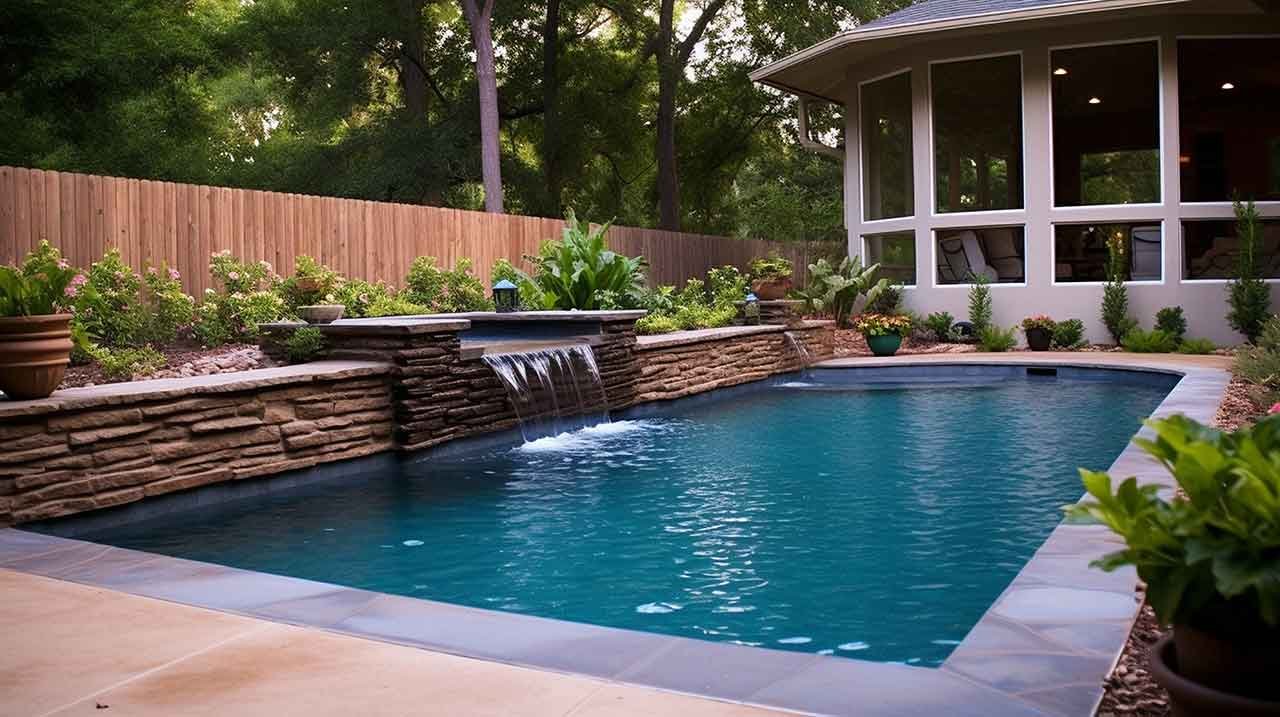
A swimming pool can change how a backyard looks, feels, and functions, but size and shape must be chosen with care. A long rectangular pool may support laps, games, and gatherings, while a compact curved pool may suit quiet relaxation in a smaller yard. These choices affect movement, seating, landscaping, maintenance, safety, and the visual balance of the outdoor area. A pool should fit the property, not overwhelm it. When homeowners consider daily use, traffic flow, sunlight, and design style before construction, the result feels natural, comfortable, and connected to the home and its outdoor setting for years to come.
Pool Equipment Overview
Pool Planning Basics
Pool size determines how people move, gather, and use the water. A wider pool can accommodate family play, floating, and social gatherings, while a longer pool is better for swimming strokes or low-impact exercise. Smaller pools can still be useful when designed with a clear purpose, such as lounging, cooling off, or creating a calm focal point near a patio. The right size also depends on how much yard space should remain for seating, dining, gardens, or walkways. A pool that fills nearly the entire backyard may look impressive at first, but it can limit comfort around the edges. Planning for pool installation in MN by Nassau Pools and Spas helps homeowners consider how seasonal use, yard layout, and family routines influence the right dimensions. Good sizing supports both activity and relaxation without making the outdoor area feel crowded, awkward, or hard to maintain. It also helps keep furniture, fencing, lighting, and landscape features in proportion with the rest of the property.
Shape and Visual Harmony
Shape has a strong effect on both visual style and everyday function. A rectangular pool creates a clean, organized appearance and often pairs well with modern homes, straight patios, and formal landscapes. It also supports lap swimming, automatic covers, and clear furniture placement around the perimeter. Freeform pools, with soft curves and natural outlines, can make a yard feel more relaxed and resort-like when paired with stone, plants, or flowing landscape beds. Geometric shapes, such as L-shaped or square designs, can divide the pool into zones for lounging, shallow play, and deeper swimming. Shape also affects how people enter the water, where steps are placed, and how open the surrounding deck feels. A pool outline that follows the home’s architecture can look intentional rather than added later. When the lines of the pool, patio, fence, and house work together, the yard gains a balanced appearance that feels planned from every viewing angle.
Maintenance and Safety Planning
Size and shape also influence maintenance, heating, circulation, and long-term cost. Larger pools hold more water, which can mean more cleaning, longer heating times, and greater chemical demand. Irregular shapes may create corners or curves where debris collects, making circulation design more important. A simple shape may be easier to cover, brush, and vacuum, while a complex layout can require more careful planning for pumps, returns, drains, and cleaning systems. Depth changes add another layer of planning because a pool used for children, lounging, and games may not need the same deep-water area as one planned for more active recreation. Safety also connects to design. Clear sightlines, comfortable entry points, and enough deck space around the pool help people move safely. When function is considered alongside appearance, the pool becomes easier to enjoy, easier to care for, and better suited to daily use through changing seasons and household needs.
Blending Design with Lifestyle
The most successful pool designs feel connected to the house, landscape, and lifestyle of the people using them. A narrow yard may benefit from a sleek linear pool that leaves room for planting and seating. A wide property may support a larger shape with sun shelves, steps, and gathering areas. Families with children may value open swimming space, while homeowners who entertain may prefer built-in ledges, seating areas, and a smooth flow from the patio to the pool. Aesthetic choices, including tile, coping, lighting, water color, and surrounding materials, work better when the pool’s size and outline already fit the setting. The goal is not only to build a pool, but to create an outdoor area that feels complete. When scale, shape, and surroundings are planned together, the pool becomes a natural part of the property rather than a separate feature that interrupts the yard or limits comfortable outdoor living around it.
Pool size and shape affect far more than appearance. They guide how people swim, relax, gather, move, clean, heat, and maintain the outdoor space. A well-sized pool preserves the yard’s function, while a thoughtful shape enhances comfort and style. Rectangular, geometric, compact, and freeform designs each bring different benefits depending on the home and lifestyle. Homeowners who consider space, safety, maintenance, architecture, and daily use before choosing a design are more likely to enjoy a pool that remains practical and attractive. Careful planning turns the pool into a lasting part of the home’s outdoor living experience throughout every warm season overall.
 Wild Rise