

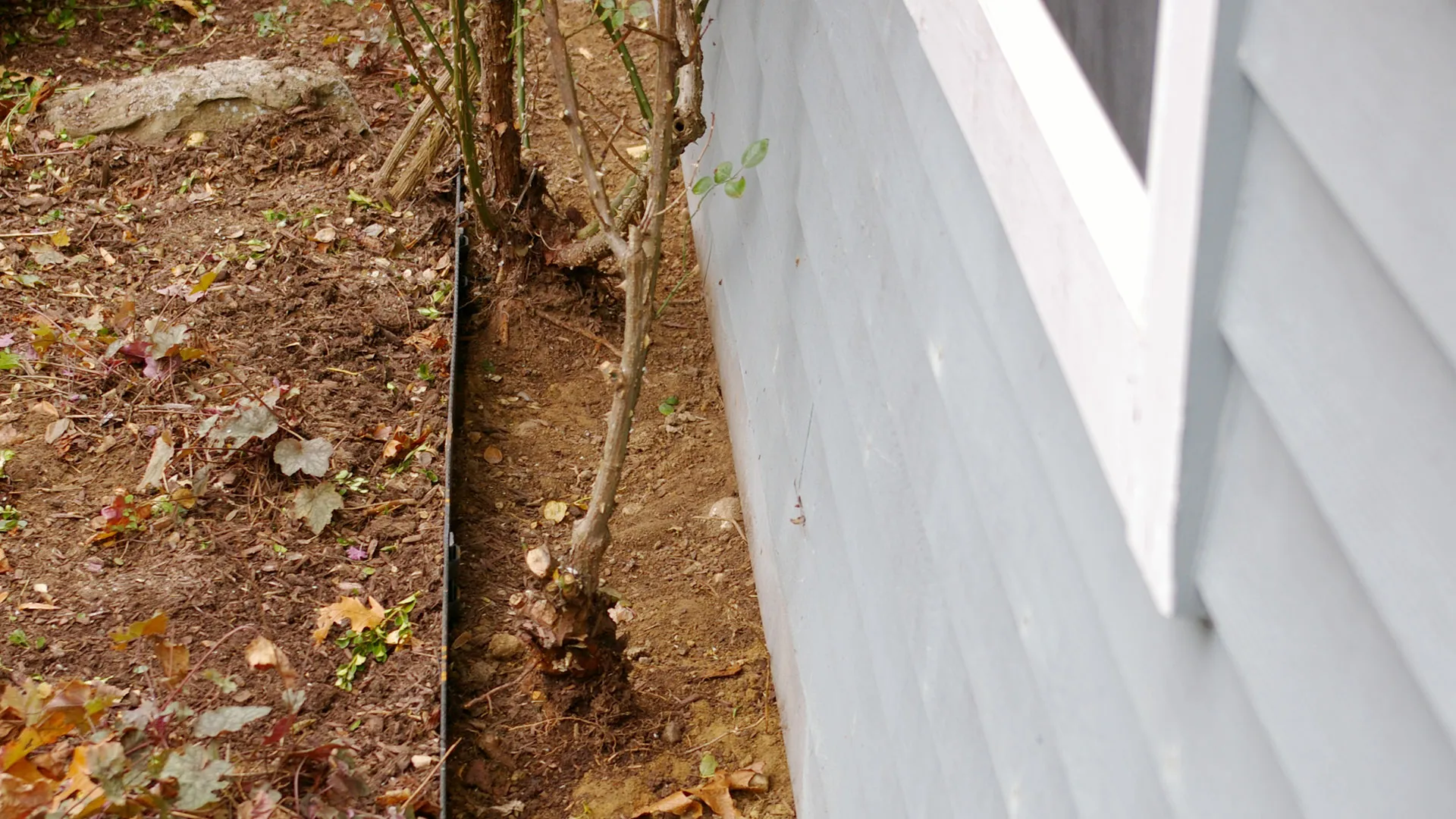
After a heavy rain, many homeowners notice unsightly mud splatters on the lower portions of their siding. This common issue can make even the cleanest homes look neglected and can lead to long-term staining or damage if not addressed. Mud splashing is not just a cosmetic problem; it can also indicate underlying issues with drainage, landscaping, or gutter systems. Understanding the causes of mud splashing on siding after rain is essential for maintaining your home’s appearance and protecting its structure from moisture-related problems. By identifying the sources, you can take effective steps to prevent future occurrences.
Why Mud Splashes Happen
The Role of Rainfall and Soil Conditions
Rainfall is the primary trigger for mud splashing on siding, but the way water interacts with the ground around your home plays a significant role. When rain falls heavily, it strikes the soil with force, causing loose dirt and mud to be propelled upward. The type of soil surrounding your house can make a difference; clay-heavy soils tend to hold water and become sticky, while sandy soils may drain faster but still splash when saturated. If the ground near your foundation is bare or lacks sufficient vegetation, it becomes even more susceptible to erosion and splashing. Grass, mulch, or ground cover can help absorb some of the impact, but if these are missing or thin, the risk of mud splashing increases. Over time, repeated exposure to rain can compact the soil, making it harder for water to penetrate and increasing surface runoff, which further exacerbates the problem.
How Gutters and Downspouts Affect Mud Splashing
Gutters and downspouts are designed to channel rainwater away from your home’s foundation, but when they are clogged, damaged, or improperly installed, they can contribute to mud splashing. Water that overflows from blocked gutters or downspouts falls directly to the ground below, creating concentrated streams that erode the soil and splash mud onto the siding. In some cases, the absence of splash blocks or extensions at the base of downspouts allows water to pool and create muddy areas right next to the house. This is where a professional gutter install maumee service can make a significant difference by ensuring that your gutter system is functioning correctly and directing water safely away from your home. Properly maintained gutters not only protect your siding from mud but also help prevent foundation issues and basement leaks.
Landscaping and Grading Issues
The way your yard is landscaped and graded has a direct impact on how water flows during and after a rainstorm. If the ground slopes toward your house, rainwater will naturally collect near the foundation, increasing the likelihood of mud splashing. Poor grading can also lead to standing water, which keeps the soil saturated and more prone to being disturbed by subsequent rainfall. Landscaping features such as flower beds, walkways, or retaining walls can either help or hinder water management, depending on their placement and construction. For example, a flower bed with a raised border can trap water against the house, while a properly designed swale can channel water away. Mulch is often used to reduce splashing, but if it is applied too thickly or not secured, it can wash away and expose bare soil. Regularly assessing your yard’s grading and making adjustments as needed can go a long way in preventing mud from reaching your siding.
Quick Tips for Immediate Prevention
One of the simplest ways to reduce mud splashing is to maintain a healthy layer of mulch or ground cover around your home’s perimeter. Installing splash blocks at the end of downspouts and ensuring gutters are clear can also make a noticeable difference. These small changes can help keep your siding cleaner after each rain.
The Impact of Siding Material and Design
The type of siding on your home can influence how noticeable and damaging mud splashing becomes. Vinyl siding, for example, is relatively easy to clean, but repeated exposure to mud and moisture can cause staining or even mold growth in the seams. Brick and stone siding are more resistant to staining, but the mortar joints can still absorb moisture and become discolored over time. Wood siding is particularly vulnerable, as mud and moisture can lead to rot, warping, or insect infestations if not promptly cleaned. The design of your siding, including how close it sits to the ground and whether it has a drip edge, also affects how much mud accumulates. Homes with siding that extends close to the soil are more likely to experience splashing, while those with a higher clearance or a protective barrier are less affected. Regular cleaning and maintenance are essential for all siding types to prevent long-term damage from mud and moisture.
Long-Term Solutions for Mud Splashing
Addressing mud splashing on siding requires a combination of immediate fixes and long-term strategies. Improving drainage around your home is one of the most effective ways to prevent mud from reaching your siding. This can involve regrading the soil, installing French drains, or adding landscaping features that direct water away from the foundation. Upgrading your gutter system to ensure it is properly sized and free of obstructions is another important step. In some cases, adding a gravel or stone border around the base of your home can help absorb the impact of raindrops and reduce splashing. Choosing the right plants for ground cover can also make a difference, as dense, low-growing vegetation helps hold soil in place and minimize erosion. Regular inspections after heavy rain can help you identify problem areas early and take corrective action before mud splashing becomes a recurring issue.
Conclusion
Mud splashing on siding after rain is a common problem that can detract from your home’s appearance and lead to more serious issues if left unaddressed. The causes are often a combination of soil conditions, inadequate drainage, gutter problems, and landscaping choices. By understanding how these factors interact, you can take practical steps to minimize mud splashing and protect your siding from damage. Regular maintenance of gutters and downspouts, thoughtful landscaping, and attention to grading are all important components of a comprehensive prevention plan. With the right approach, you can keep your home looking clean and well-maintained, even after the heaviest rainstorms.