

Introduction
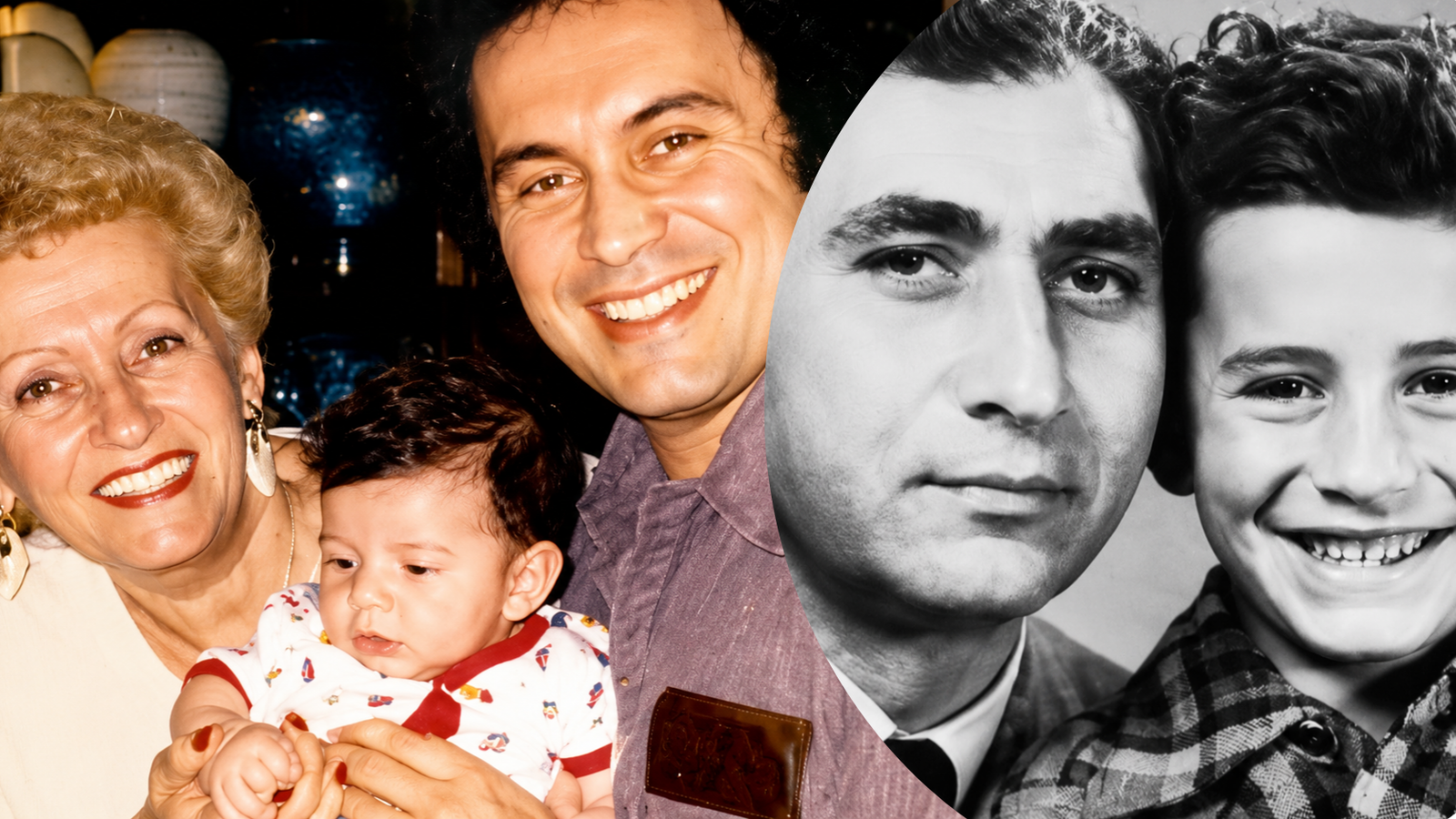
Feri Witz, also known by his birth name Ferenc Yehiel Witz, is widely recognized as the father of Gene Simmons, the legendary co-founder and bassist of the rock band KISS. While Feri Witz himself did not live a public or celebrity lifestyle, his life story is deeply connected to one of the most influential figures in rock music history. His journey from war-torn Europe to the Middle East reflects the struggles and resilience of many Jewish families during the 20th century.
Although he remained a private individual throughout his life, Feri Witz’s background played an important role in shaping the early identity of Gene Simmons, who was born Chaim Witz. His life represents a generation that lived through war, migration, and rebuilding life in new countries while maintaining cultural identity and family values.
Quick Bio
| Category | Details |
|---|---|
| Full Name | Ferenc Yehiel Witz |
| Known As | Feri Witz |
| Born | June 9, 1925 |
| Birthplace | Hungary |
| Ethnicity | Jewish |
| Profession | Carpenter |
| Spouse | Flora Klein |
| Child | Gene Simmons (Chaim Witz) |
| Country of Residence | Hungary → Israel |
| Famous For | Father of KISS member Gene Simmons |
| Death | 2002 |
| Lifestyle | Private, working-class life |
Early Life in Hungary
Feri Witz was born on June 9, 1925, in Hungary into a Jewish family living in a politically unstable Europe. His childhood was shaped by growing tensions in the region, especially the increasing discrimination and danger faced by Jewish communities during the rise of antisemitism in the early 20th century.
Life in Hungary during this period was difficult, with families struggling economically and socially even before World War II began. Feri Witz grew up in a working-class environment where discipline, survival, and resilience were essential for daily life. These early experiences had a lasting impact on his personality, shaping him into a hardworking and practical individual who would later work as a carpenter.
World War II and Survival Challenges
As World War II spread across Europe, Jewish families like that of Feri Witz faced extreme danger and uncertainty. Many families were displaced, forced into hiding, or separated due to the political and military conflict. Although detailed records of his personal wartime experiences are limited, it is widely understood that his early adulthood was shaped by survival during one of the darkest periods in modern history.
The post-war environment in Europe left many survivors searching for safety and stability. For Feri Witz, this meant leaving behind his homeland and seeking a new beginning in a different region. This decision ultimately led him and his family toward the Middle East, where they would attempt to rebuild their lives.
Life as a Carpenter
After surviving the hardships of Europe, Feri Witz worked as a carpenter, a skilled trade that provided stability and a reliable source of income. Carpentry was a respected and practical profession that required craftsmanship, patience, and physical strength.
His work reflected a humble and grounded lifestyle, focused not on fame or recognition but on providing for his family. Unlike his son Gene Simmons, who would later achieve global fame, Feri Witz lived a simple life centered around work and survival. His profession symbolizes the working-class foundation that defined much of his life.
Marriage and Family Life
Feri Witz married Flora “Flóra” Klein, a fellow Hungarian Jewish survivor who also lived through the challenges of World War II. Their marriage represented a union of two individuals who shared similar historical experiences and cultural backgrounds.
Together, they had a son named Gene Simmons (born Chaim Witz in 1949). Gene Simmons would later become one of the most famous rock musicians in the world as the co-founder of the band KISS. At the time of his birth, the family was living in Haifa, Israel, after relocating from Europe.
Family life during this period was modest and shaped by rebuilding efforts after the war. The focus was on stability, survival, and adapting to a new country and culture.
Immigration to Israel and Early Family Life
After World War II, Feri Witz moved with his family to Mandatory Palestine, which later became the State of Israel. This migration was part of a larger movement of Jewish families seeking safety and a new homeland after the Holocaust.
In Israel, Feri Witz continued his work as a carpenter while raising his son in a traditional household. Life in Israel during the early years of statehood was challenging, with limited resources and ongoing political development. Despite these difficulties, the family maintained a strong cultural and religious identity.
His son Gene Simmons spent his early childhood in Israel, where he was raised under the name Chaim Witz before later immigrating to the United States.
Separation and Family Transition
At a later stage in his life, Feri Witz became separated from his wife and son due to family and immigration circumstances. After the separation, Gene Simmons moved with his mother to the United States, where he eventually began his journey toward becoming a global rock star.
This separation meant that Feri Witz remained in Israel, living a private and independent life while his son grew up in America. Despite the distance, his influence remained part of his son’s early identity and cultural background.
Relationship with Gene Simmons
Feri Witz had a limited but meaningful connection to his son Gene Simmons. While they did not share a close public relationship due to geographical separation, Gene has acknowledged his father’s background and heritage in interviews.
Gene Simmons’ original name, Chaim Witz, reflects his father’s family name and cultural identity. Even though Gene built his career independently in the United States, his early life was shaped by the heritage and experiences of both parents.
Later Life and Death
Feri Witz continued to live in Israel for most of his later life, maintaining a private existence away from public attention. He did not seek fame or public recognition and remained focused on personal and family life.
He passed away in 2002, leaving behind a legacy primarily connected to his son’s international success. His life is remembered as part of the broader story of Jewish migration, survival, and rebuilding after World War II.
Legacy and Historical Importance
The legacy of Feri Witz is not based on public achievement but on historical and cultural significance. His life represents a generation of individuals who survived war, displacement, and migration while building new lives in unfamiliar countries.
His most visible legacy is through his son, Gene Simmons, who became one of the most recognizable figures in rock music history. Through Gene’s global success, Feri Witz’s story indirectly became part of modern pop culture history.
Conclusion
Feri Witz lived a private, hardworking life shaped by some of the most important historical events of the 20th century. From his early years in Hungary to his life in Israel, he experienced war, migration, and rebuilding. Although he did not live in the public spotlight, his influence continues through his son, Gene Simmons, and the legacy of the KISS rock band.
His story reflects resilience, survival, and the quiet strength of a generation that rebuilt their lives after immense historical challenges.
FAQs
Who was Feri Witz?
Feri Witz was a Hungarian-born carpenter and the father of rock musician Gene Simmons.
When was Feri Witz born?
He was born on June 9, 1925 in Hungary.
What was Feri Witz’s profession?
He worked as a carpenter throughout most of his life.
Who was his famous son?
His son is Gene Simmons, co-founder of the rock band KISS.
When did Feri Witz die?
Feri Witz passed away in 2002 in Israel.