

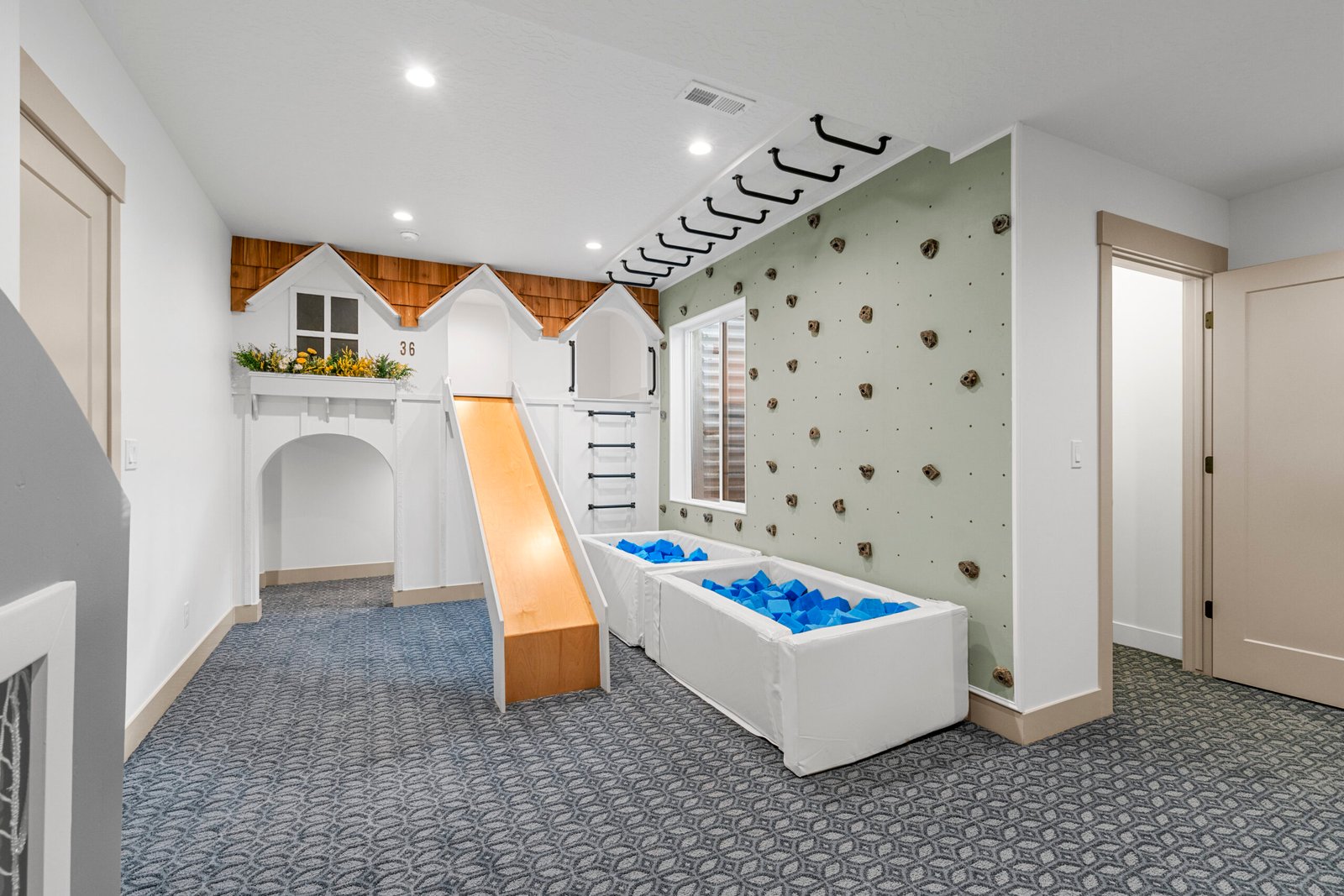
Custom builders turn personal ideas into homes that feel original, practical, and livable. A unique design may begin as a sketch, an inspirational photo, a lifestyle need, or an unusual site challenge, but it must eventually become a safe, comfortable structure. Builders help connect creativity with real construction requirements, including layout, materials, permits, budget, and daily usability. Their work ensures that bold design choices do not create problems with movement, storage, maintenance, lighting, or long-term durability. When the process is handled carefully, a home can reflect individual taste while still supporting everyday routines.
What This Covers
Turning Ideas Into Buildable Plans
The first step in transforming a unique design into a functional home is turning broad ideas into clear construction plans. Many homeowners know how they want a space to feel, but they may not know how that vision affects structure, plumbing, wiring, ventilation, or room flow. Custom builders work with designers, architects, and property owners to organize those ideas into a layout that can actually be built. They consider how rooms connect, where natural light enters, how storage fits into daily life, and how materials will perform over time. A compact backyard home, for example, may need careful planning so every square foot feels useful rather than cramped. Services from My ADU Portland in Oregon can demonstrate how small-scale custom living spaces require smart design choices that balance privacy, comfort, and code requirements. This planning stage protects the design from becoming attractive on paper but difficult to live with later.
Matching Design Features With Daily Use
A home can look impressive and still fail if it does not support the people using it every day. Custom builders help prevent that by testing design choices against real routines. A dramatic staircase, oversized window, open kitchen, hidden storage wall, or unusual ceiling shape must work with movement, cleaning, furniture placement, energy use, and safety. Builders study how the home will function during busy mornings, quiet evenings, family visits, remote work, and seasonal changes. They may adjust door swings, hallway widths, window placement, or built-in cabinetry so the design remains beautiful without becoming inconvenient. Material selection also matters because surfaces must handle moisture, traffic, temperature shifts, and regular maintenance. By connecting design details to daily habits, builders create homes that feel personal without sacrificing comfort. The result is not just a visually interesting structure but a place where each room has a clear purpose and naturally supports the homeowner’s lifestyle.
Solving Site, Code, and Material Challenges
Unique homes often come with unique construction challenges. A narrow lot, sloped land, older neighborhood, unusual footprint, or accessory dwelling unit may require creative problem-solving before building begins. Custom builders evaluate soil conditions, drainage, property access, local rules, height limits, setbacks, and utility connections. These details influence what can be built and how the design must adapt. A design may need structural changes to meet safety requirements, or materials may need adjustment to suit the climate and long-term wear. Builders also coordinate permits, inspections, trade schedules, and supplier timelines so the project moves forward without avoidable delays. This behind-the-scenes work is what turns distinctive design ideas into stable, legal, and durable homes. Without this step, a creative concept could face costly changes during construction. With careful planning, builders preserve the design’s character while ensuring the finished home performs well.
Balancing Budget With Long-Term Value
Custom builders also help homeowners make smart decisions about where to invest and where to simplify. Unique design does not always require expensive choices throughout the home. A builder can identify which features will have the greatest impact, such as efficient layouts, durable flooring, quality windows, strong insulation, or well-planned storage. They can also suggest alternatives when a material or detail would stretch the budget without adding enough practical value. This guidance helps preserve the main design vision while keeping the project realistic. Long-term value is also part of the discussion because a home should not only look appealing at completion but also remain comfortable and manageable for years to come. Builders consider maintenance needs, energy performance, resale appeal, and repair access. By balancing creativity with financial planning, they help homeowners achieve a custom result that feels meaningful, useful, and responsible.
Custom builders transform unique designs into functional homes by connecting creativity with planning, structure, comfort, and long-term use. They turn ideas into buildable plans, adjust features for daily routines, solve site and code challenges, and guide material and budget decisions. Their role is to protect the homeowner’s vision while ensuring the finished space is safe and comfortable. A successful custom home is not only original in appearance; it also supports real life through smart flow, durable choices, and practical details. With the right process, distinctive design becomes a home that feels personal, efficient, and lasting.